
 By
By 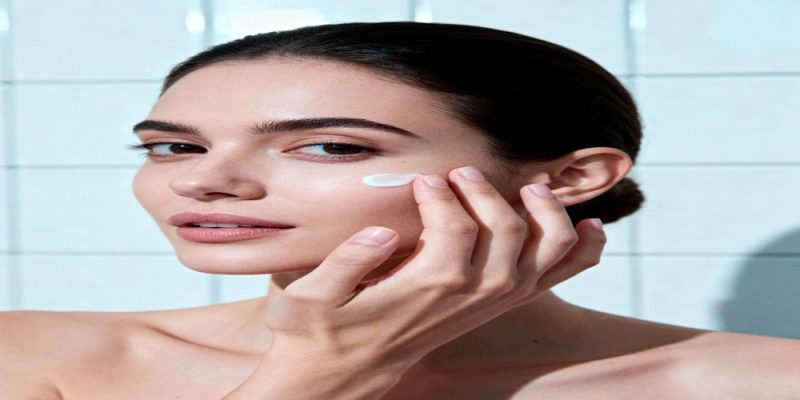
Ayurveda, the ancient system of holistic wellness that originated in India, places great importance on maintaining balance within the body and mind. According to Ayurvedic philosophy, skin health reflects the overall state of internal harmony. When the body’s natural energies remain balanced, the skin appears vibrant, smooth, and radiant. Natural ingredients are therefore highly valued in Ayurvedic skincare because they support the body’s innate healing processes without disrupting its natural balance.
In modern natural beauty routines, many individuals look for the best ghee moisturizer to support healthy skin while staying aligned with traditional wellness practices. Ghee has long been regarded as a nourishing substance that promotes hydration and supports the skin’s natural protective barrier. Its rich composition of essential fatty acids and vitamins makes it particularly effective for maintaining softness and elasticity.
When used in skincare formulations, ghee often becomes the base for a ghee based skin moisturizer that works in harmony with the skin’s natural functions. Ayurvedic traditions emphasize that such preparations help nourish the skin deeply while maintaining its natural glow and resilience.
The Ayurvedic View of Skin Health and Balance
In Ayurveda, the skin is closely connected to the body’s internal balance. According to this philosophy, three fundamental energies-Vata, Pitta, and Kapha-govern various functions within the body. These energies, known as doshas, influence both physical and emotional well-being.
Each dosha plays a role in skin characteristics. Vata is associated with dryness and roughness, Pitta relates to heat and sensitivity, and Kapha is linked to oiliness and thickness. When these doshas are balanced, the skin appears clear and healthy.
Imbalances in the doshas can lead to various skin concerns. For example, excess Vata may cause dryness and dullness, while heightened Pitta may lead to redness or irritation. Ayurvedic skincare focuses on restoring balance through nourishing ingredients that soothe and support the skin.
Ghee is considered beneficial in this context because it helps calm Vata and Pitta while maintaining overall skin harmony.
Nutritional Qualities of Ghee That Benefit the Skin
Ghee is rich in nutrients that contribute to its reputation as a powerful natural skincare ingredient. Its composition includes essential fatty acids, antioxidants, and fat-soluble vitamins that help nourish the skin.
One of the key benefits of ghee is its ability to replenish the skin’s lipid layer. This layer acts as a protective barrier that prevents moisture loss and shields the skin from environmental stressors. When the lipid barrier becomes weakened, the skin may appear dry, rough, or irritated.
The vitamins present in ghee-particularly vitamins A, D, E, and K-support skin renewal and elasticity. These nutrients help maintain smooth texture and contribute to a healthy complexion.
Antioxidants found in ghee also help neutralize free radicals, which can damage skin cells and accelerate the signs of aging.
How Ghee Supports Natural Hydration
One of the most significant benefits of ghee in skincare is its ability to maintain hydration. Proper moisture balance is essential for keeping the skin soft and resilient.
Ghee acts as a natural emollient that penetrates the skin and replenishes lost lipids. These lipids help strengthen the skin’s protective barrier and prevent excessive moisture loss.
When the skin barrier is strong, it retains hydration more effectively. This leads to smoother texture, reduced dryness, and improved overall comfort.
In addition to hydrating the skin, ghee forms a light protective layer on the surface. This layer shields the skin from environmental factors such as pollution and harsh weather conditions.
Traditional Ayurvedic Methods of Applying Ghee
Ayurvedic skincare emphasizes mindful application techniques that allow natural ingredients to work effectively. Applying ghee on the skin is often considered part of a daily self-care ritual.
The process usually begins with cleansing the skin using gentle herbal preparations or mild cleansers. Clean skin allows the nutrients in ghee to penetrate more effectively.
After cleansing, a small amount of ghee is warmed between the fingers. This step softens its texture and makes it easier to spread evenly across the skin.
The ghee is then gently massaged into the skin using circular motions. Massage is considered beneficial in Ayurveda because it stimulates circulation and supports the delivery of nutrients to skin cells.
This simple yet effective ritual helps nourish the skin while promoting relaxation and balance.
Combining Ghee with Ayurvedic Herbs
Ayurvedic skincare often combines ghee with herbal ingredients to enhance its benefits. These herbs are chosen for their specific properties that support skin health.
Some commonly used Ayurvedic herbs include:
- Turmeric, known for its ability to support skin clarity and brightness
- Sandalwood, valued for its cooling and soothing properties
- Rose, often used for hydration and skin balance
- Licorice root, traditionally used to improve the appearance of uneven skin tone
When these herbs are blended with ghee, they create nourishing formulations that address various skin concerns while maintaining natural balance.
Skin Types That Benefit from Ghee-Based Moisturizers
Although ghee can benefit many individuals, certain skin types respond particularly well to its nourishing properties. People with dry skin often experience noticeable improvements in softness and hydration.
Mature skin may also benefit from ghee-based moisturizers. As the skin ages, it tends to lose natural oils and elasticity. The rich fatty acids in ghee help restore moisture and support smoother-looking skin.
Individuals with combination skin can apply ghee selectively to areas that need extra hydration. However, those with very oily or acne-prone skin may prefer lighter applications to avoid excessive heaviness.
Understanding individual skin needs helps ensure that ghee-based moisturizers are used effectively.
Lifestyle Practices in Ayurveda for Healthy Skin
Ayurveda emphasizes that external skincare should be supported by healthy lifestyle habits. True skin health is believed to come from a balance between internal wellness and external care.
Maintaining proper hydration is one of the most important factors for healthy skin. Drinking enough water helps support the body’s natural moisture balance.
A balanced diet rich in fruits, vegetables, whole grains, and healthy fats provides essential nutrients that nourish the skin from within.
Adequate sleep and stress management also play significant roles in maintaining skin health. During sleep, the body repairs and regenerates skin cells, contributing to a refreshed and radiant appearance.
Combining these lifestyle habits with natural skincare practices enhances overall skin vitality.
Conclusion
The Ayurvedic perspective on ghee-based skin moisturizers highlights the importance of nourishing the skin in harmony with the body’s natural balance. Ghee has been valued for centuries due to its rich nutrient profile and ability to support hydration, protection, and skin renewal.
Through its combination of essential fatty acids, vitamins, and antioxidants, ghee helps strengthen the skin barrier and maintain moisture levels. When applied thoughtfully as part of a consistent skincare routine, it can contribute to smoother, healthier-looking skin.
Ayurvedic traditions remind us that skincare is not just about external products but also about maintaining internal balance through healthy lifestyle habits. By embracing natural ingredients and mindful self-care, individuals can support long-term skin health and achieve a naturally radiant complexion.




Comments